- Landlord InsuranceLandlord Insurance
As a landlord, your rental property is always going to be a top priority. But what do you do if something goes wrong?
- Single-Property Landlord InsuranceSingle-Property Landlord Insurance
Around half of all private landlords in the UK have just one rental property. If this is you, Endsleigh can help with Single Property Landlord Insurance. Like us, they’re part of Howden and experts at what they do.
- Multi-Property Landlord InsuranceMulti-Property Landlord Insurance
Multi-property landlords, or property investors, turn letting into a full-time business – and if that’s you, then it’s important to make sure you’ve got the right cover.
- HMO InsuranceHMO Insurance
We understand that all HMO properties are different. That’s why we always offer complete cover to make sure your HMO let is protected.
- Professional LetProfessional Let
Even though these are arguably the most reliable tenants, you still need to make sure you have the right cover in place.
- Serviced Accommodation InsuranceServiced Accommodation Insurance
For many landlords, serviced accommodation is a great way to bring in more money from a high turnover of tenants. But it’s vital that you have the right cover in place to protect your property.
- Student Landlord InsuranceStudent Landlord Insurance
With over 2 million people studying in the UK in an average year, letting properties to students is a big part of the rental market. So it’s important to make sure you have the right landlord insurance for your student houses.
- Landlord Insurance for DSS TenantsLandlord Insurance for DSS Tenants
Rightly or wrongly, DSS tenants don’t always enjoy the best reputation. This can lead to some landlords thinking twice about letting to them, but at Protect My Let our range of cover options means you don’t have to worry.
- Unoccupied Landlord InsuranceUnoccupied Landlord Insurance
As a landlord, you know there will be times when your property sits empty. Sometimes, it’s just unavoidable. And while there may be no tenant risk during these times, it’s still important to keep your property covered.
- Landlord Home Emergency CoverLandlord Home Emergency Cover
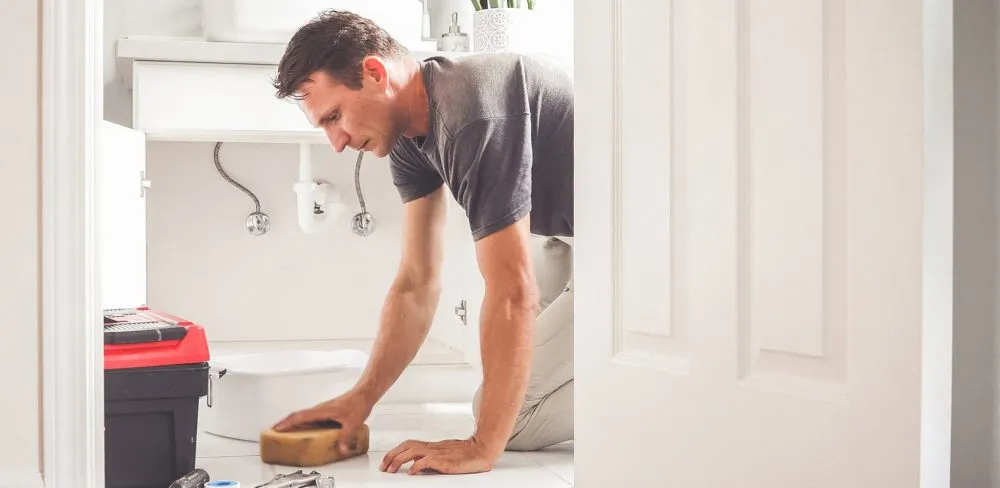
Home Emergency cover for landlords provides help from a qualified contractor if you have a sudden emergency at your rental property.
- Freeholder Building InsuranceFreeholder Building Insurance
Specialist landlord cover that protects against the risks that come with owning the freehold of a building.
- Block of Flats InsuranceBlock of Flats Insurance
Freeholder building insurance is a home insurance policy that covers a block of flats or smaller leasehold properties like maisonettes.
- Rent Guarantee InsuranceRent Guarantee Insurance
We offer Rent Guarantee with our landlord insurance policies, to help you protect your income.
- Non-standard Landlord InsuranceNon-standard Landlord Insurance
Specialist landlord insurance for landlords who let non-standard or specialist properties in the UK. Get a quote today.
- Single-Property Landlord InsuranceSingle-Property Landlord Insurance
- Existing CustomersExisting Customers
When you talk to us, you get a real person at the end of the phone ready to provide you with guidance and support. If you don’t fancy a chat, you should be able to find everything you need in this section.
- Make a ClaimMake a Claim
It can be distressing when you need to make a claim. We’re here to make sure it’s as straightforward as possible.
- Refer a LandlordRefer a Landlord
Let a fellow landlord know about us and you could earn £50 when they take out a policy with Protect My Let. Plus, they’ll enjoy a £50 discount on their first policy with us.
- RenewalsRenewals
We have a dedicated renewals team with your own account handler. If you would like to get in touch you will find all the details here.
- Make a ClaimMake a Claim
- About UsAbout Us
About Us
- BlogBlog
Keep up to date on news happening in the property rental market.
- FAQsFAQs
Here you will find Protect My Let’s most frequently asked questions. If you can’t find what you are looking for then please contact us.
- Contact UsContact Us
Our friendly team are always at the end of a phone, ready to help you.
- Contact UsContact Us
Our friendly team are always at the end of a phone, ready to help you.


×